AREOLA REDUCTION

Unveiling the Hidden Beauty of Your Breasts

Creating a natural and harmonious balance

The areola is the circular, darker-colored skin surrounding the nipple. The normal size typically ranges from 3.5 cm to 4.5 cm in diameter, but it can change due to temperature or physical stimulation. Areola size may be influenced by genetic factors, but it can also become enlarged or asymmetrical due to pregnancy, breastfeeding, or natural aging as the breasts grow and change over time.

Surgery duration

Appx. 2 hours

alarm_on

Anesthesia method

General anesthesia

vaccines

Suture removal

5 to 7 days

content_cut

Follow-up visits

2 to 3 times

home_health

Recovery period

5 to 7 days

volunteer_activism
After breast surgery, some individuals may experience side effects such as bleeding, infection, or inflammation.
The risks and recovery process may vary depending on the patient's condition and the surgical method used.
Best Timing for Areola Reduction Surgery
It is important to undergo surgery only after the mammary gland tissue has fully matured.

If the individual considering surgery feels the necessity for the procedure and the performing specialist also determines that it is sufficiently needed, the surgery should be performed.

Additionally, the procedure should only be carried out when the patient has developed a realistic understanding of the expected outcomes after surgery.

In general, it is recommended to undergo the procedure after reaching the age of 20 when full breast development has been achieved. Since pregnancy and breastfeeding can significantly alter breast shape, unmarried individuals should be even more cautious when considering the timing of the surgery.

Areola Reduction Procedure

Periareolar Incision Method
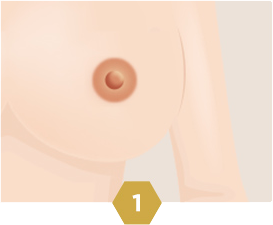
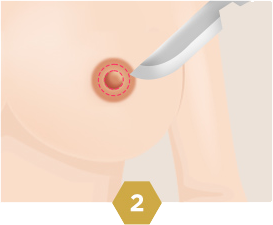
This technique is primarily used when the areola is not excessively large.

Before Surgery

Design the excised areola and remove the targeted areola area near the nipple
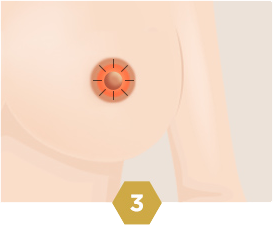
Suture the surrounding skin toward the nipple
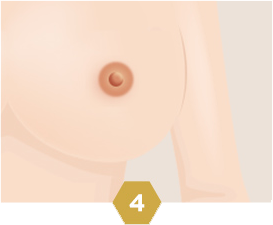
After Surgery

Circumareolar Incision Method
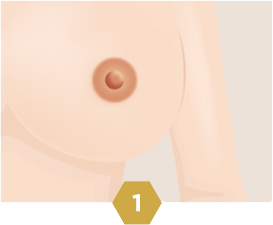
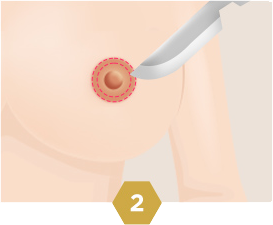
This method is mainly used for cases where the areola is significantly enlarged.

Before Surgery

Design the excised areola and remove the outer areola area
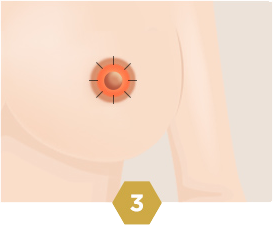
Suture the surrounding skin toward the nipple
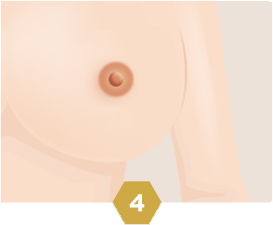
After Surgery

Post-Surgery Precautions

Dietary Guidelines
You may start eating six hours after surgery, and it is recommended to consume soft foods such as porridge or rice gruel.
Sleeping Position
Avoid bending your head down or lying on your stomach; it is best to sleep with 2–3 soft pillows supporting your upper body.
Physical Activity
Light stretching is allowed after three weeks, but chest muscle exercises should be avoided.
Arm Movement
For the first seven days after surgery, do not raise your arms above 90 degrees or engage in activities that put strain on your arms.
Lifestyle Restrictions
Avoid alcohol, smoking, saunas, and hot baths for at least four weeks after surgery.
Showering
You may take a full-body shower approximately 2–4 days after surgery.