BREAST AUGMENTATION

Breast Augmentation With A Natural, Yet Enhanced Volume

We help you achieve naturally voluminous breasts tailored to your body shape

If you wish to enhance volume due to smaller breasts in proportion to your body, implants can be inserted to achieve a balanced and beautiful shape. For a successful surgery, it is crucial to analyze each individual's body structure, select the right implants, and choose the most suitable surgical method.

Surgery duration

Appx. 2 hours

alarm_on

Anesthesia method

General anesthesia

vaccines

Suture removal

5 to 7 days

content_cut

Follow-up visits

2 to 3 times

home_health

Recovery period

5 to 7 days

volunteer_activism
After breast surgery, some individuals may experience side effects such as bleeding, infection, or inflammation.
The risks and recovery process may vary depending on the patient's condition and the surgical method used.

Breast Augmentation Procedure
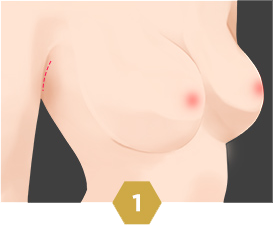
Axillary Incision Method

This is the most common method, where a 3-4 cm incision is made along the natural fold of the armpit to insert the implant. The scar is well-hidden, making it less noticeable.
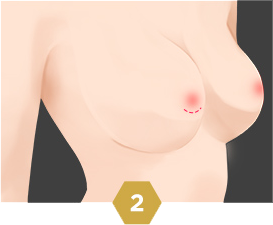
Areolar Incision Method

A 2 cm incision is made around the areola, allowing for precise implant placement and better symmetry. This method provides excellent control over implant positioning.
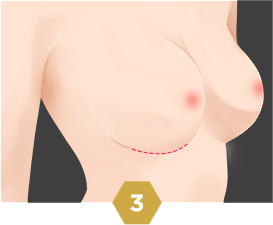
Inframammary Incision Method

A 3-4 cm incision is made along the natural crease under the breast. This technique results in less pain and a faster recovery period.

Post-Surgery Precautions

Wound Care
Keep the surgical area clean and dry to prevent infection. Follow your doctor’s instructions for dressing changes.
Avoid Heavy Activities
Refrain from strenuous exercise, lifting heavy objects, or sudden arm movements for at least a few weeks.
Wearing a Supportive Bra
Wear a medical compression bra or a soft support bra as recommended to help maintain the shape and support healing.
Managing Swelling and Bruising
Swelling and bruising are normal after surgery. Applying a cold compress in the first few days can help reduce discomfort.
Sleeping Position
Sleep on your back with your upper body slightly elevated to reduce swelling and pressure on the chest.
Medication & Follow-up Visits
Take prescribed medications as directed and attend all follow-up appointments for proper recovery monitoring.
Avoid Smoking & Alcohol
Smoking and alcohol consumption can slow the healing process and increase the risk of complications.
Monitor for Any Unusual Symptoms
If you experience excessive swelling, severe pain, redness, or discharge from the incision site, contact your doctor immediately.