NOSE SURGERY

A naturally beautiful nose from every angle

We create the most ideal nose shape to achieve perfect facial harmony

If a small, low nose makes the center of the face appear wide or less defined, simply raising the nose height is not enough. Instead, we provide a detailed diagnosis considering overall facial balance and select the most suitable surgical approach to create the most beautiful and ideal nose line for each individual.

Surgery duration

Appx. 2 hours

alarm_on

Anesthesia method

Sedation/Local anesthesia

vaccines

Suture removal

1 to 2 weeks

content_cut

Follow-up visits

2 to 3 times

home_health

Recovery period

3 to 5 days

volunteer_activism
After rhinoplasty, some individuals may experience side effects such as bleeding, infection, or inflammation.
These risks vary depending on the patient's condition and the specific surgical method used.
Types of Implants
For a successful rhinoplasty, the choice of implant and the surgical technique based on the incision method must be tailored to each individual.
Autologous Tissue Implants

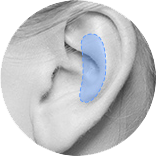
Ear Cartilage

Soft and elastic, ideal for creating a natural-looking nasal tip with minimal translucency.
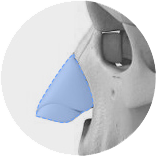
Septal Cartilage

Cartilage from inside the nose, commonly used to support the nasal column and increase nasal height. It is the most frequently used autologous implant.
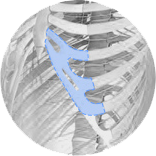
Rib Cartilage

Used when there is insufficient ear or septal cartilage for augmentation.
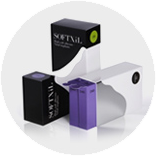
Artificial Implants

SOFTXIL

A facial implant material designed to resemble human tissue, featuring a thin and soft wing-like shape. It offers excellent adhesion and durability between bone and cartilage. Available in over 50 designs, making it suitable for various nasal shapes.

Types of Rhinoplasty and Surgical Methods

Low Nose Surgery
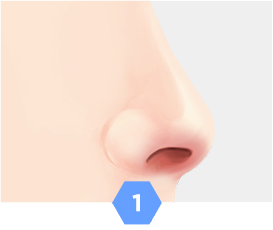
When the nasal bridge appears low compared to the forehead, making the nose look small, augmentation is performed to enhance facial dimension and structure.

Before Surgery

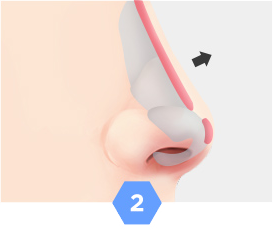
Insertion of an implant in the nasal bridge
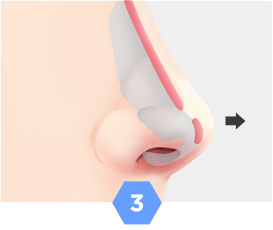
Insertion of autologous cartilage or an implant for nasal tip augmentation
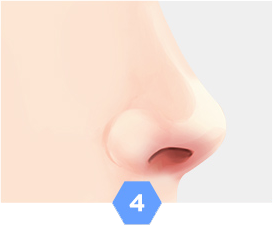
After Surgery

Hump Nose Surgery

If the middle of the nasal bridge protrudes, creating a strong or harsh impression, the hump is either shaved or removed through osteotomy. This smooths the nasal contour, refining the overall appearance for a more sophisticated look.

Before Surgery

Shaving or osteotomy of the hump area

If the nasal bridge is low, an implant or autologous tissue is used to elevate it

After Surgery

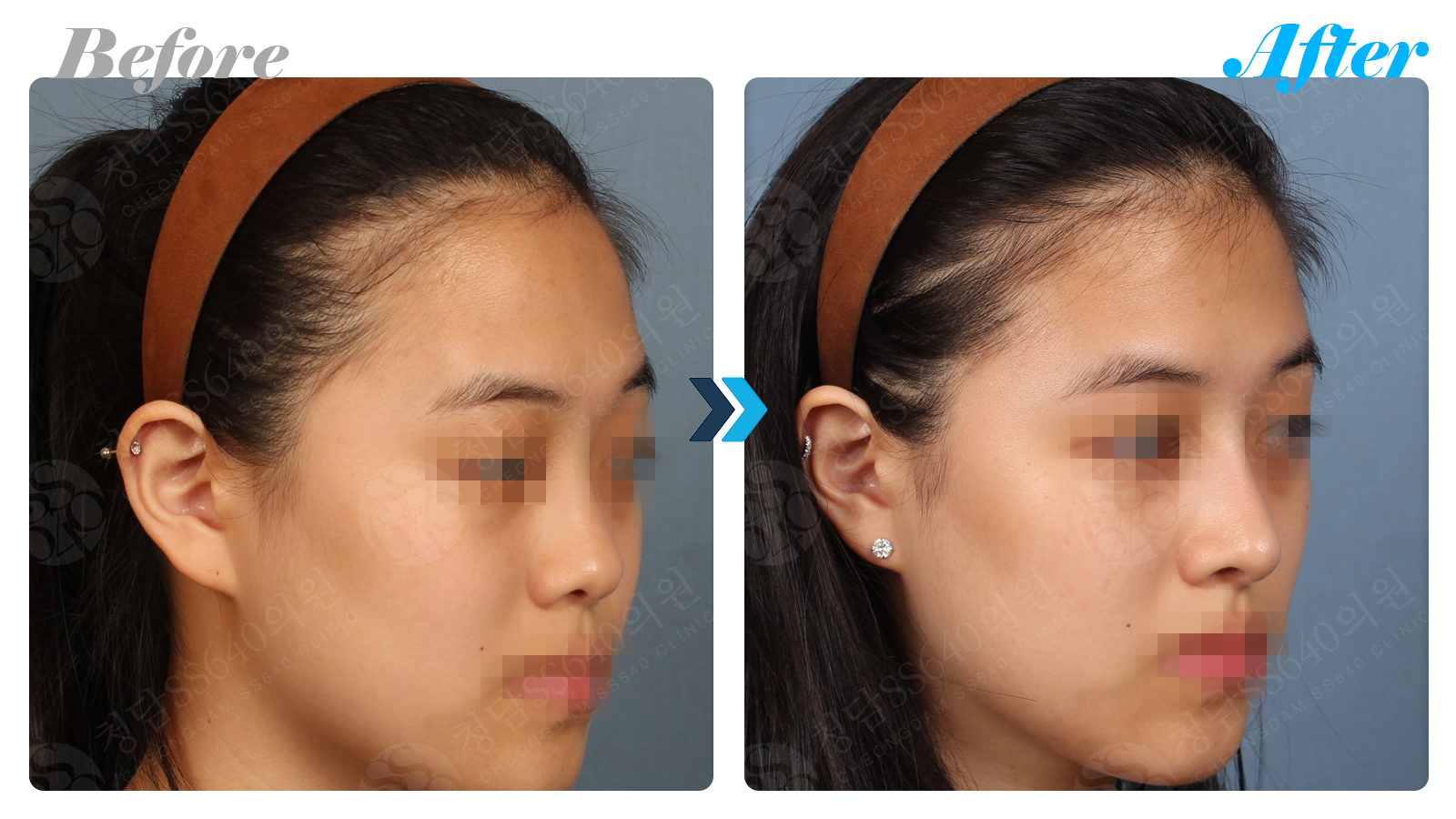
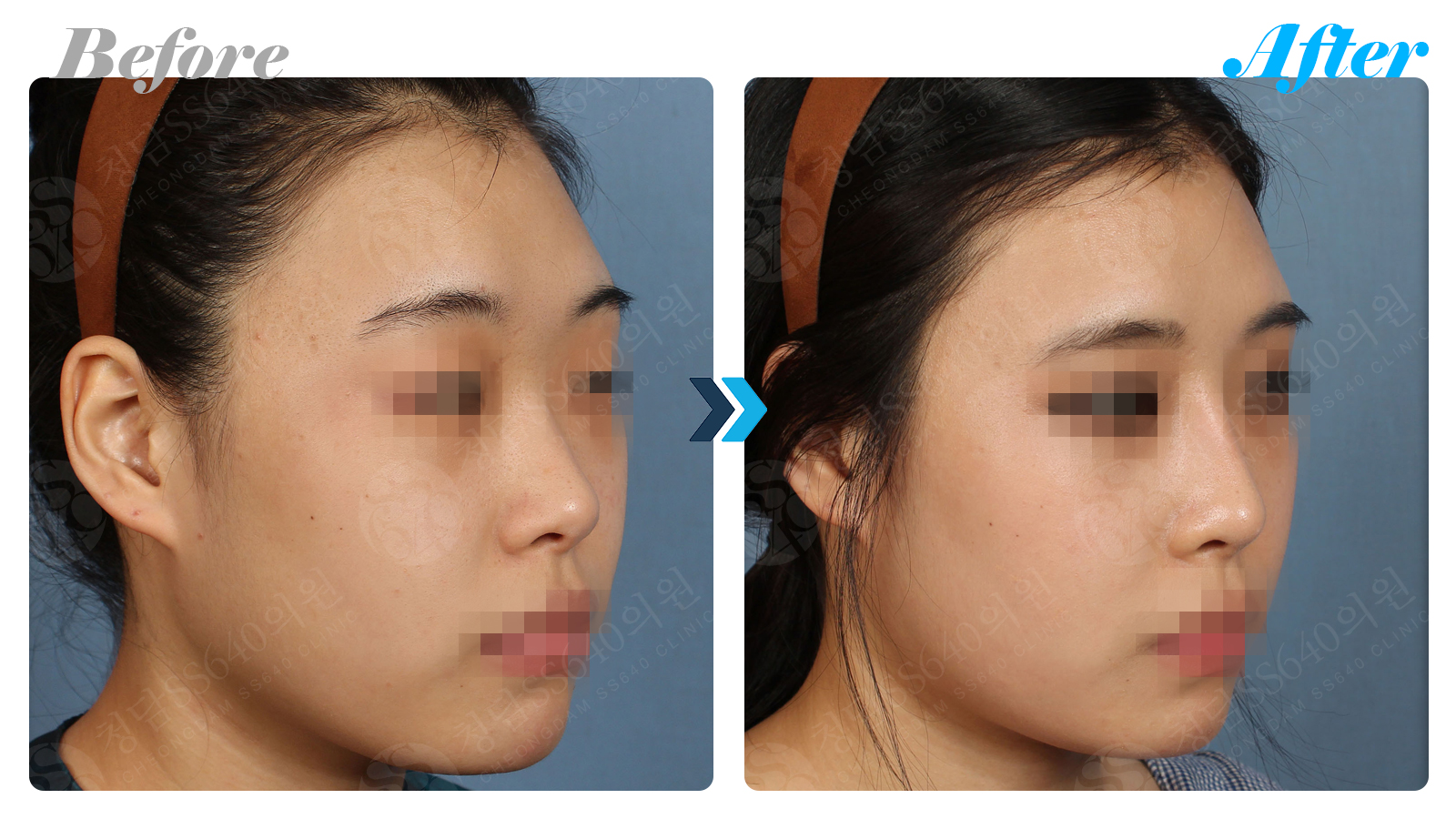
Crooked Nose Surgery
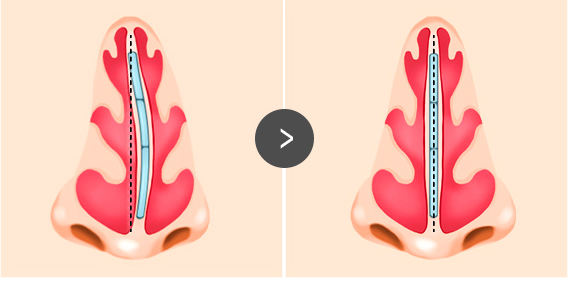
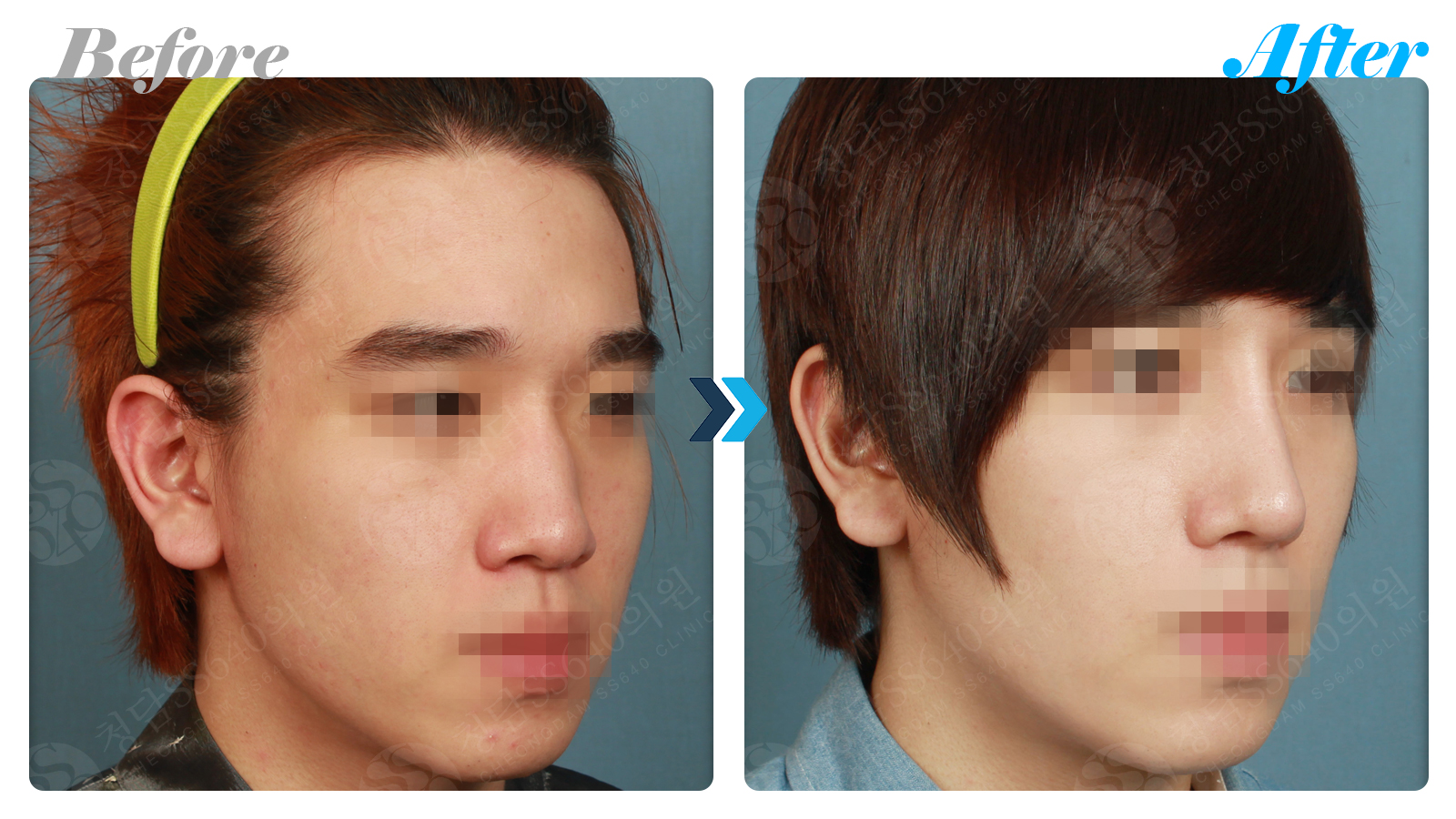
The deviated nasal bone is corrected through osteotomy to straighten the nose. If breathing difficulties occur due to a severely deviated septal cartilage, septoplasty is performed simultaneously to improve both the nasal shape and airflow.

If the deviation is mild

A customized implant is designed in the opposite direction of the curvature and precisely shaped to fit the inner structure before insertion
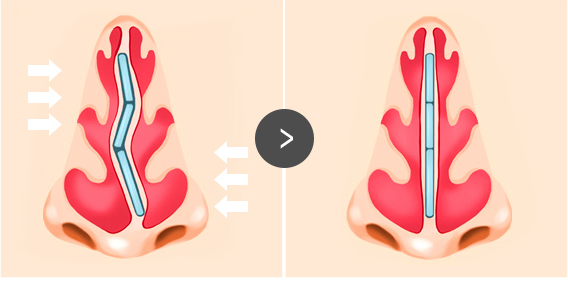
If the deviation is severe

The nasal bone is repositioned through osteotomy, and the deviated septal cartilage is corrected. The previously asymmetrical cartilage is then symmetrically aligned for proper correction
Post-Surgery Precautions

Cold and Warm Compress Care
Apply cold compresses around the surgical area for the first two days, then switch to warm compresses starting on the third day.
Keeping the Surgical Site Dry
Avoid getting the surgical site wet until the stitches are removed, and after removal, be gentle when washing your face.
Proper Head Positioning
Keep your head elevated above heart level on the night of surgery.
Lifestyle Restrictions
Refrain from smoking, alcohol consumption, saunas, hot baths, and strenuous exercise for one month after surgery.
Avoiding Nasal Irritation
Avoid blowing your nose or applying pressure to the nose post-surgery.
Glasses and Sunglasses Precaution
Refrain from wearing glasses or sunglasses for about a month until the nasal shape stabilizes.